


From the first tiny tooth to the first visit from the tooth fairy, your child’s smile goes through a lot of exciting changes. As a parent, you play a huge part in helping those little teeth stay healthy, strong and cavity-free. The good news? Looking after children’s teeth does not have to feel like a chore. With a few simple habits, a little encouragement and the occasional splash of fun, you can help your child build a smile they feel proud of.
- Book Their First Dental Visit Early
Your child’s first dental appointmentshould usually happen by the time they are 12 months old, or within six months of their first tooth appearing. It may sound early, but it is a brilliant way to help them feel comfortable in the dental chair from the very beginning. Think of it as a friendly introduction rather than a big event. The earlier they get used to visiting the dentist, the easier future appointments can feel.
- Know What Causes Tooth Decay
Tooth decay might be small, but it can cause big problems if left unchecked. It happens when bacteria, food, acid and saliva mix to form plaque, a sticky coating that clings to teeth. Over time, the acid in plaque can wear away the enamel and lead to cavities. Regular brushing, healthy snack choices and routine dental visits all help keep plaque under control.
- Keep an Eye on Thumb and Dummy Sucking
Thumb sucking and dummy sucking are completely normal for babies and young children. They can offer comfort, help little ones settle and make bedtime a bit smoother. However, if the habit continues for a long time, or is particularly frequent or intense, it may affect how the teeth and jaws develop. Most children naturally stop between the ages of two and four, but if you are concerned, your dentist can offer gentle advice.
- Make Brushing a Brilliant Daily Habit
Start brushing as soon as that first little tooth appears. At first, you can use a baby toothbrush with water. Once your child is around two years old and understands how to spit rather than swallow, you can introduce a pea-sized amount of fluoride toothpaste.
As your child becomes more independent, help them learn a simple brushing routine. Try these easy steps:
- Hold the toothbrush against the gum line at a 45-degree angle.
- Move the toothbrush gently back and forth using small strokes.
- Brush the outer, chewing and inner surfaces of each tooth.
- Give every tooth a little attention during each brushing session.
- Finish by gently brushing the tongue from back to front.
Want to make brushing more exciting? Let your child choose a bright toothbrush, pick one with their favourite character on it, or play a two-minute song while they brush. A little fun can go a long way.
- Yes, Kids Can Floss Too
Once your child’s teeth begin to touch, brushing alone may not remove all the plaque hiding between them. That is where flossing, or interdental cleaning aids, can help. It is a small step that can make a big difference in preventing cavities between teeth.
Flossing can be fiddly at first, so your child may need your help for a while. Keep it calm, positive and part of the daily routine. With practice, it becomes much easier.
- Know When They Can Brush on Their Own
Children can start learning how to brush their own teeth from around the age of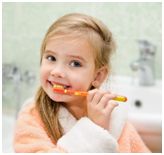 three, but they will still need supervision and support. By around eight years old, many children can manage brushing more independently. Until then, keep an eye on their technique and make sure they are brushing for long enough.
One of the best tricks? Lead by example. Children copy what they see, so if they notice you brushing carefully and consistently, they are more likely to do the same.
- Baby Teeth Matter More Than You Might Think
Baby teeth usually begin to loosen and fall out at around age six, making room for adult teeth. Sometimes this happens a little earlier or later, and that can be perfectly normal.
Even though baby teeth eventually fall out, they still have an important job to do. They help children chew, speak and hold space for adult teeth. If a baby tooth is lost too early because of decay or an accident, neighbouring teeth may move into the gap, which can crowd the adult teeth as they come through.
Final Thoughts: Healthy Habits, Happy Smiles
Helping your child care for their teeth is one of the best gifts you can give their future smile. Healthy teeth can help children eat comfortably, speak clearly and feel confident when they smile. By starting early, making brushing fun and keeping up with regular dental visits, you can set them up with habits that last a lifetime.
At Ringmer Dental, we are here to support your child’s oral health every step of the way. If you are ready to book their first dental appointment, contact us today on 01622 682029. Let’s help your child learn to love their smile.