

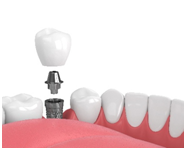
Dental implants are increasingly recognised as the preferred method for replacing missing teeth, offering a solution that closely resembles natural dentition. As a specialist procedure, dental implant placement requires dentists to complete extensive additional training, which Dr Cassidy has completed.
This month the team at Ringmer Dental look at why you should consider a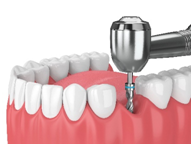 dental implant to replace your missing teeth.
What is a dental implant?
A dental implantserves as an artificial replacement for the root of a tooth or multiple teeth. The implant is anchored into the jawbone, remaining invisible once placed. It provides a stable foundation for a crown, bridge,or denture, depending on the extent of tooth loss. Beyond restoring function and aesthetics, dental implants maintain jawbone integrity and density, thereby supporting the overall structure of the facial skeleton and adjacent soft tissues such as gum, cheeks, and lips. Dental implants facilitatenormal eating, chewing, speaking, and smiling, ensuring a natural appearance. Composed of titanium—a material known for its strength, light weight, and biocompatibility—dental implants are rarely rejected by the body and boast the highest success rate among implanted surgical devices. However, absolute success cannot be guaranteed with any implant procedure.
Prior to treatment
Before commencing treatment, a comprehensive assessment of jawbone health and volume is required. This typically involves radiographic imaging. Should there be insufficient or unhealthy bone, a bone graft may be indicated before proceeding. Additionally, it is essential that the extraction site has fully healed prior to implant placement; generally, a minimum three-month healing period following tooth extraction is recommended. During this time, a temporary denture or bridge can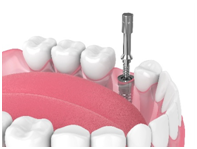 be provided to conceal the gap.
Treatment process
Dental implants are placed under local anaesthesia, rendering the procedure comparable to having a filling. Many patients find implant placement less challenging than tooth removal. Mild discomfort may occur during the initial week post-surgery as osseointegration begins, which is commonly managed with over-the-counter analgesics. A period of 3–5 months is then allowed for the implant to establish a secure integration with the bone.
Once the implant has integrated, an abutment is attached, serving as the support for a crown, bridge,or denture. The number of implants required will depend on the scope of restoration needed. Prior to initiating any treatment, a detailed written treatment plan will be provided, outlining the specific procedures involved and an estimate of costs.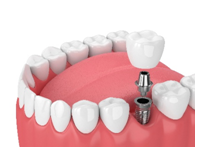
Aftercare
With proper care, dental implants are expected to last at least ten years. Oral hygiene around implants is similar to that required for natural teeth. Patients who smoke should be advised that smoking significantly diminishes the likelihood of implant success, and alternative treatment options may need to be considered.
If you have any questions or would like more information on whether dental implants are right for you contact Ringmer Dental today on 01273 813898 and arrange a consultation.